
Cisco Live 2026, Mandalay Bay, Las Vegas · June 2026
I just got back from a week in Las Vegas. Cisco Live, Mandalay Bay, the first week of June. NetBrain ran the Zero Outage Lounge from May 31 through June 4, and I spent most of the week in and around it. This is the kind of week you spend months getting ready for and then it is over in four days.
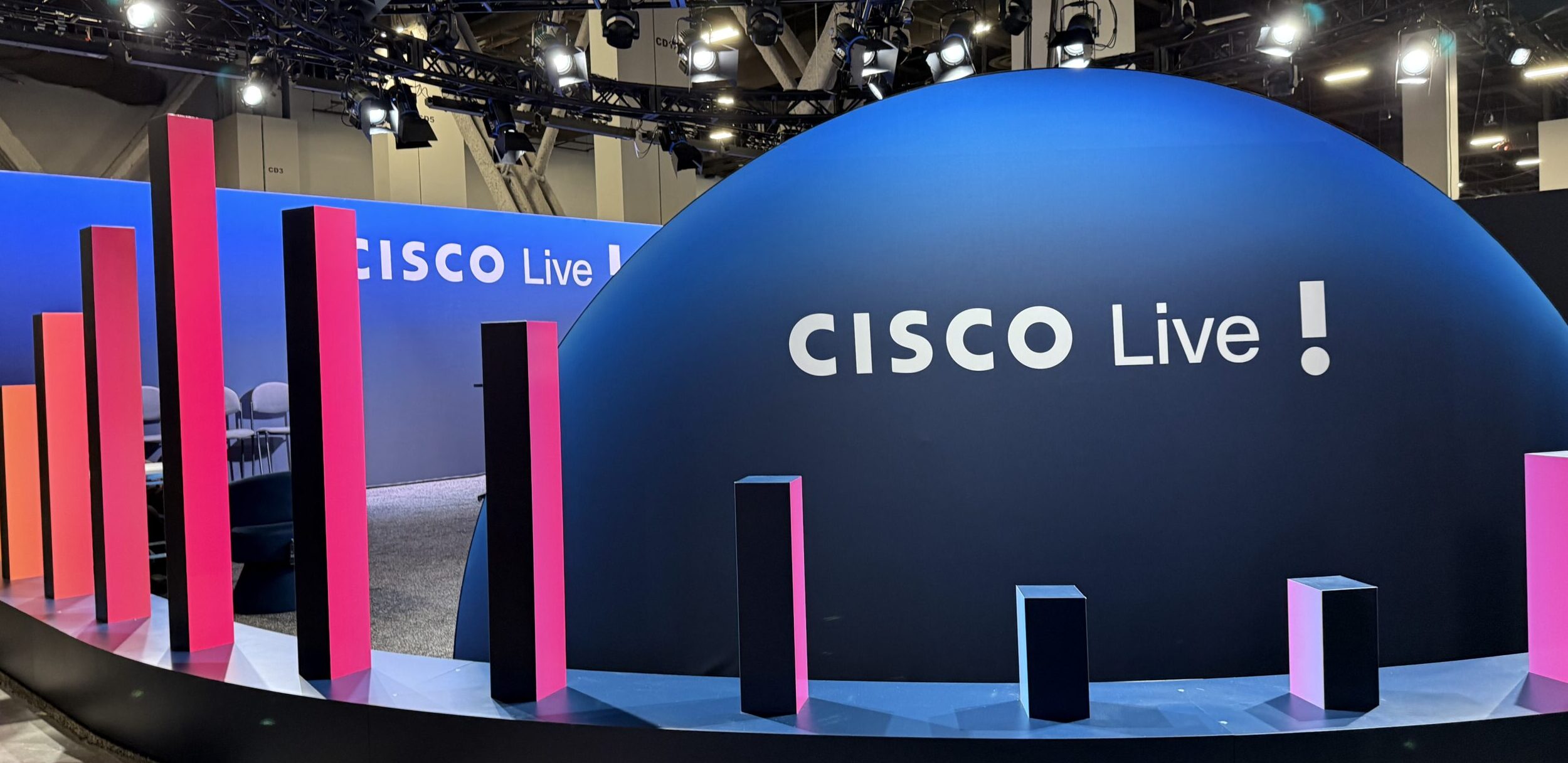
It started as organized chaos
Every big launch week starts the same way for me. A little bit of dread. The night before doors open, nothing feels finished. The talking points are written but not yet muscle memory. You have rehearsed the story in a conference room a dozen times, but you have not said it to a stranger who showed up to poke holes in it.
That is the pre-show jitter. It is real, and after enough of these I have learned to trust it. The nerves mean you care, and they burn off the moment the first honest conversation starts.
The Zero Outage Lounge
If you have not been in one, the Zero Outage Lounge is a space away from the noise of the main floor. No booth crush, no badge scanners, no sales theater. Just a room set up for real conversations with customers, prospects, and partners.
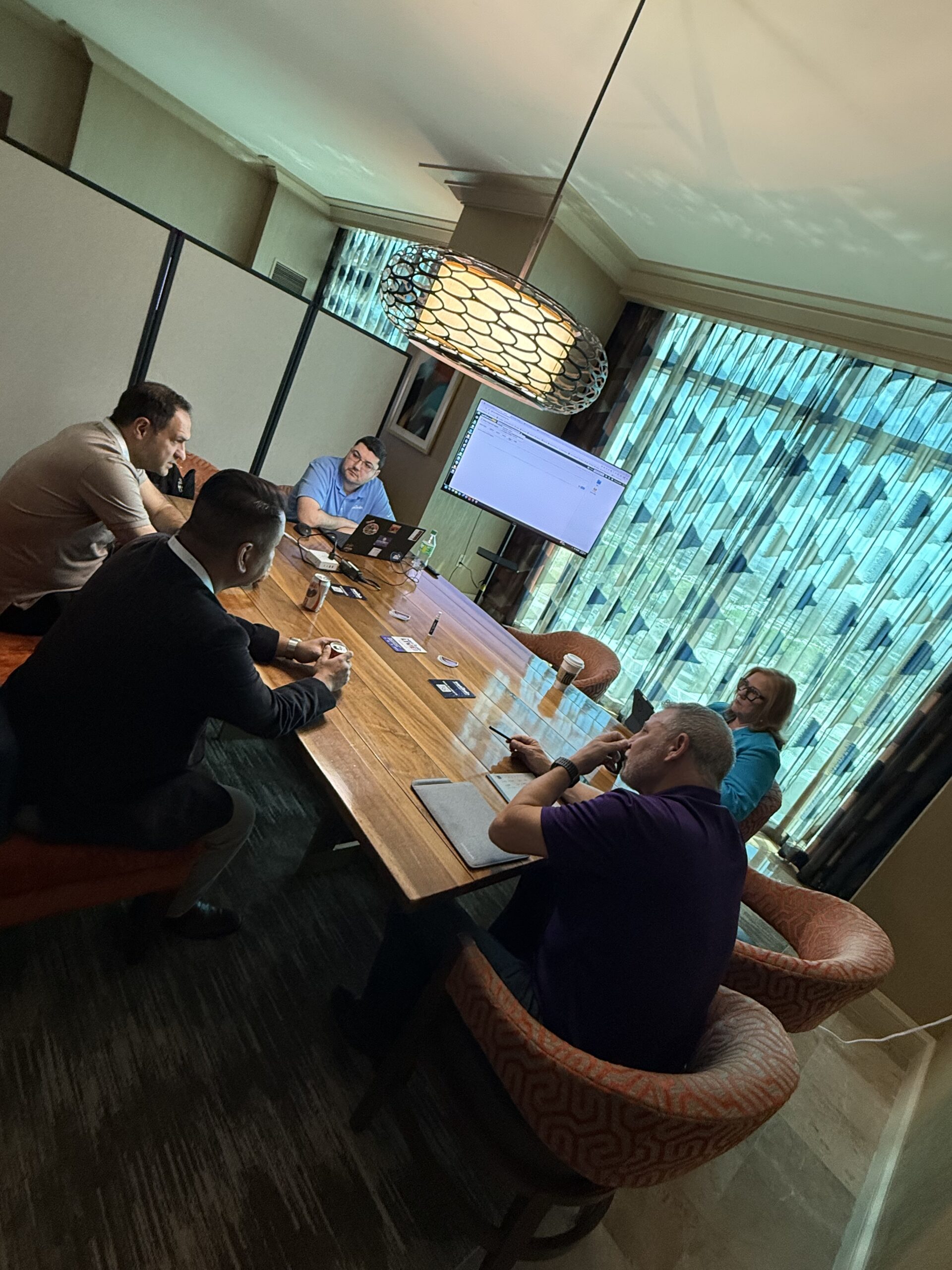
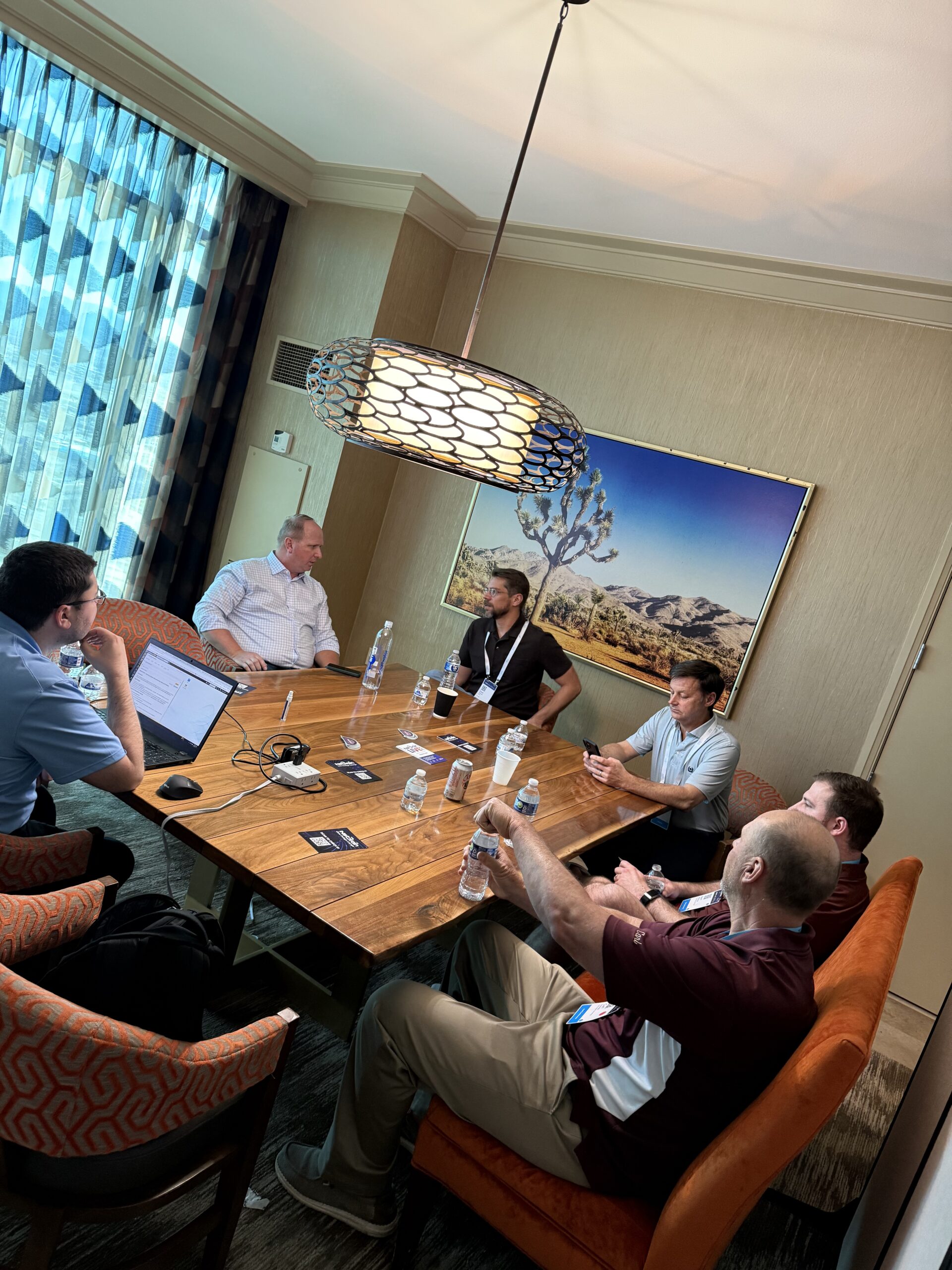
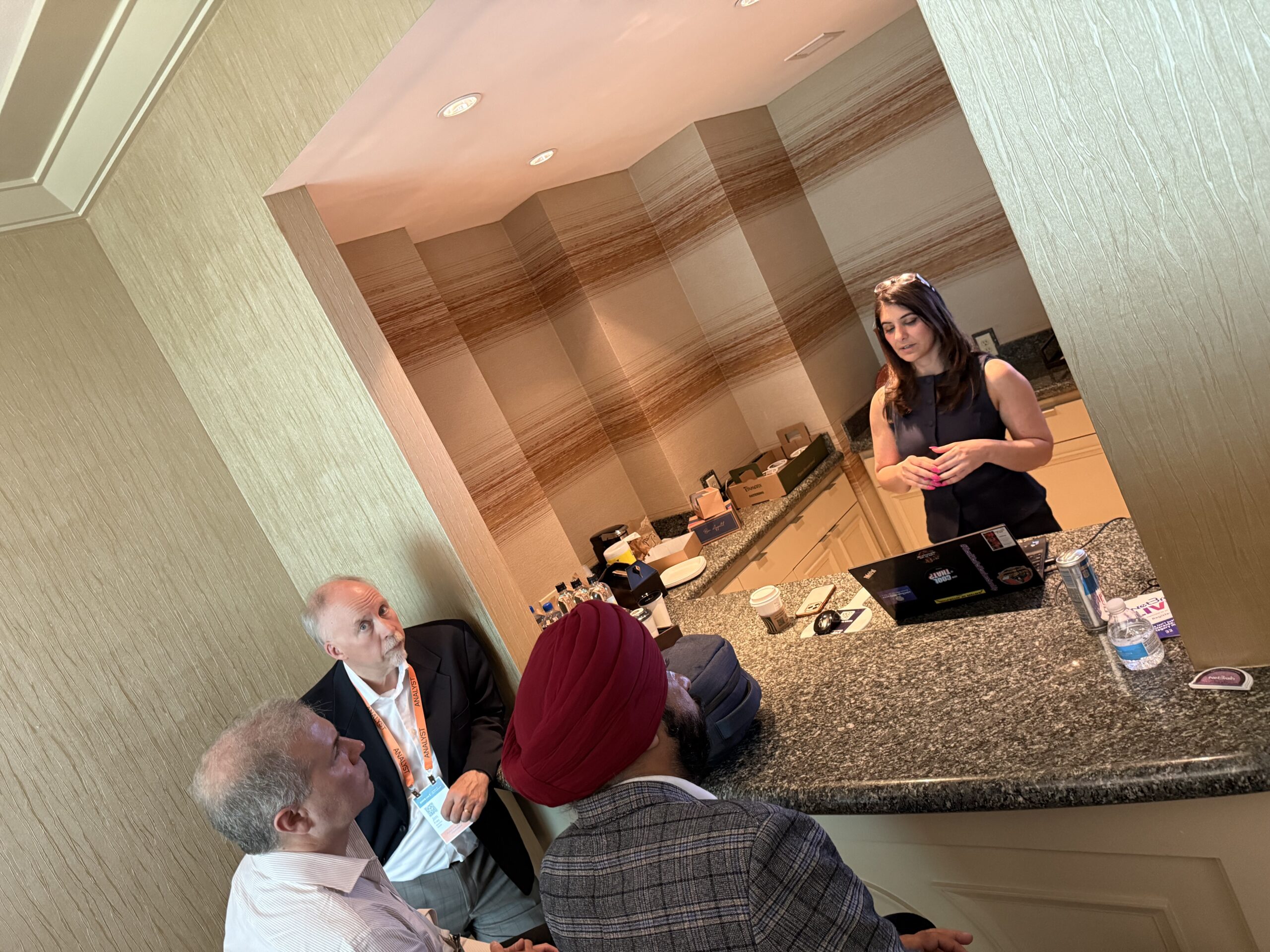
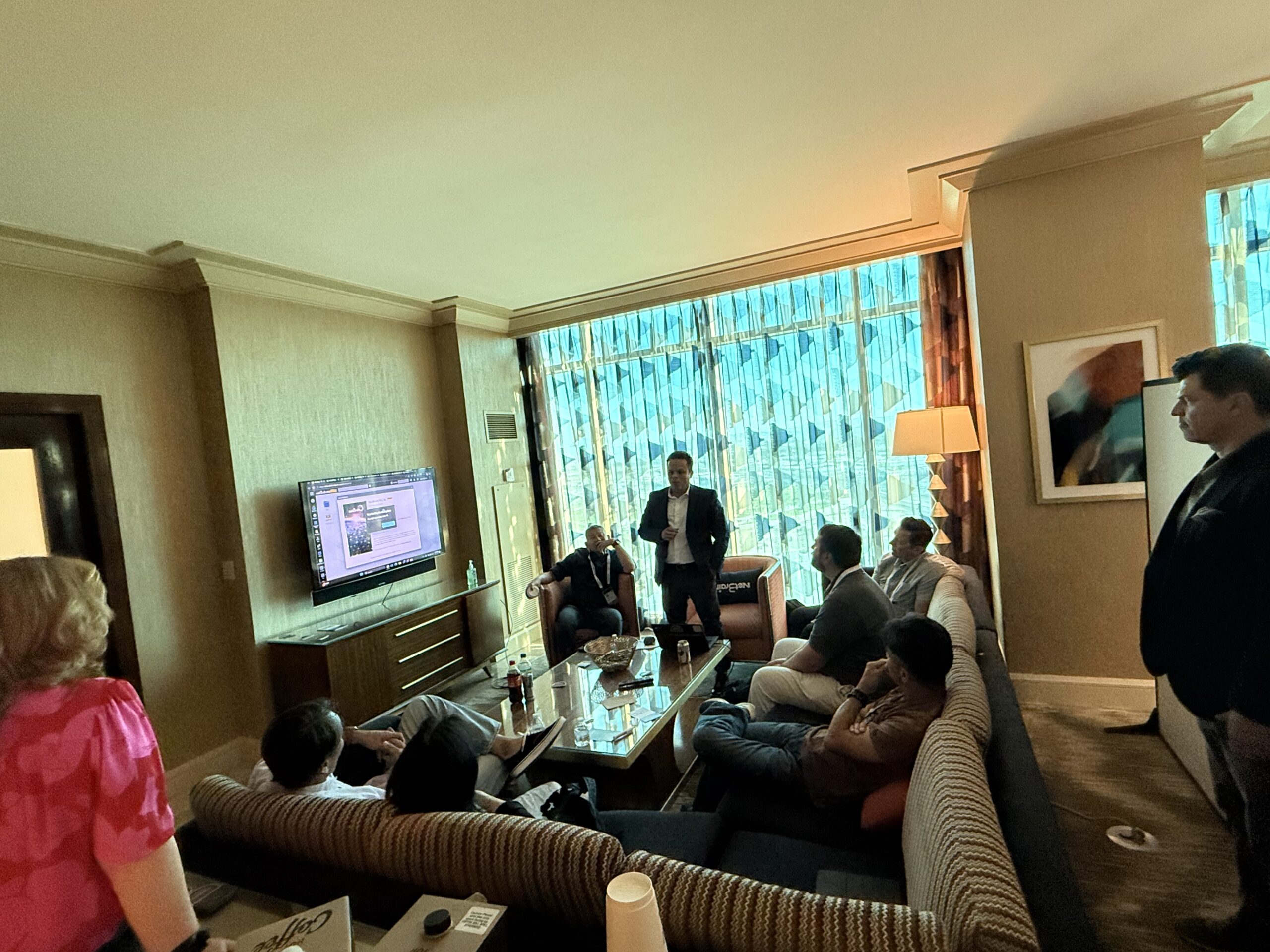
It is my favorite part of these events. The show floor is where vendors perform. The lounge is where people actually talk. The conversations there were some of the most honest I have had all year, the same thing I felt in Amsterdam earlier this year. Teams are not short on ambition. They are short on a clear path from where they are to where they want to be.
Patterns emerge fast
Here is something I did not fully appreciate until this trip. When you sit in more than fifteen customer and prospect conversations in four days, patterns show up far faster than they would spread over weeks. Our presales team was in more meetings than anyone, and you could watch the demos get sharper by the hour. The same flow that felt a little loose on Monday was tight by Wednesday. The Deep Diagnosis walkthrough handing off into the Runbook Companion kept earning a real reaction, the kind where someone stops talking and leans in.
The thing that surprised me most was not that people were interested in AI. Everyone is interested in AI. It was that they wanted to know how it actually works. Not the theoretical version. The real version. How does the agent decide what to look at? Where does it get its context? What happens when it is wrong? These were not skeptics trying to win an argument. They were practitioners trying to figure out whether they could trust the thing.
One pattern lit people up more than the rest: connecting the critical application footprint to the actual network devices underneath it. Network engineers got genuinely excited about that, because they believe it cuts the time to identify a problem and the time to resolve it. That is the language they live in. Not autonomy. Minutes saved at 2 a.m.
Our name in lights
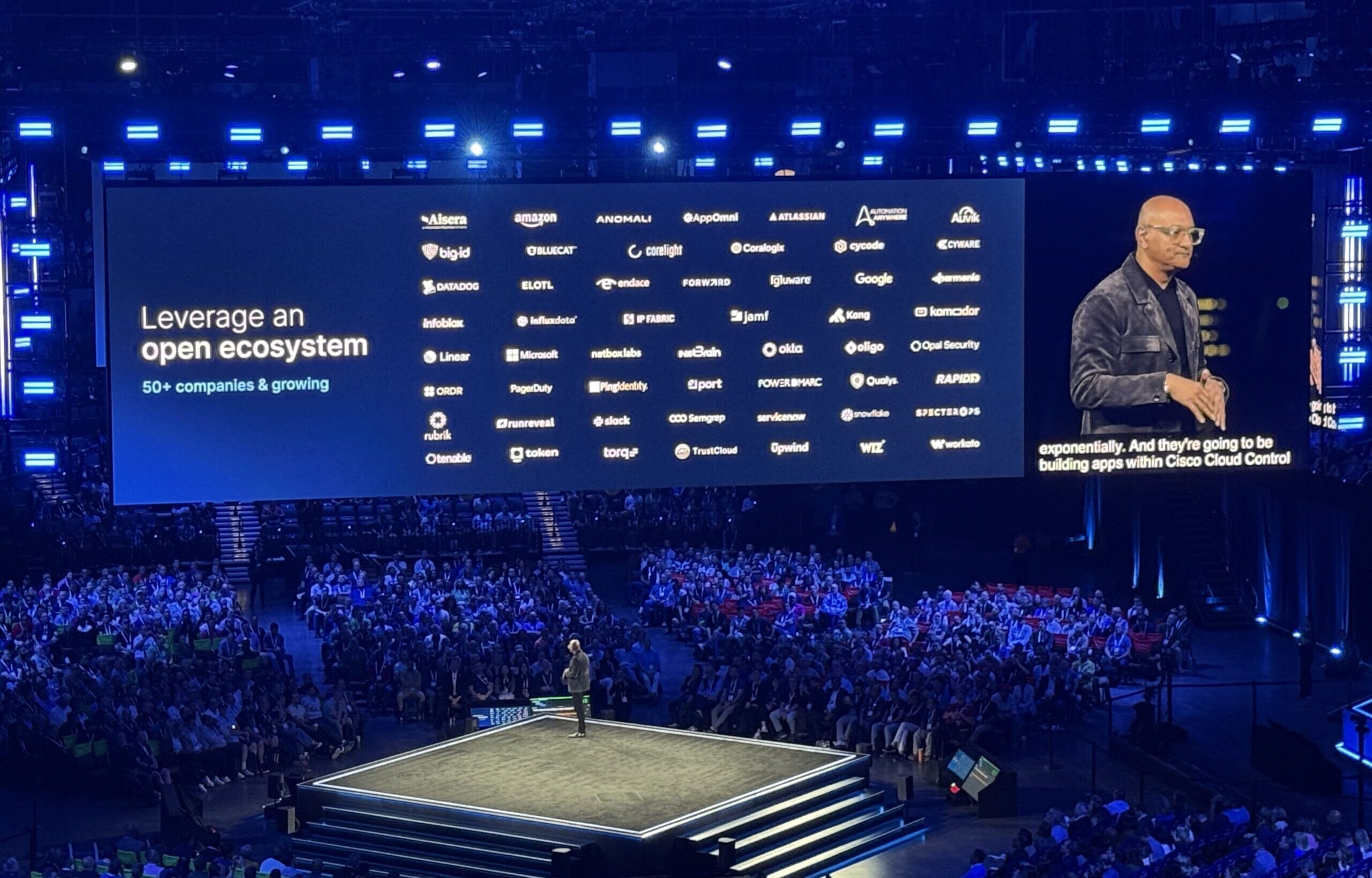
We also had a moment. NetBrain was up on the Vegas Sphere through the week, which is a strange and great thing to see in person. And in the Tuesday keynote, Cisco named NetBrain as a launch partner for Cisco Cloud Control, their new AI-native management platform. Our agentic platform connects into it through the Model Context Protocol or MCP.
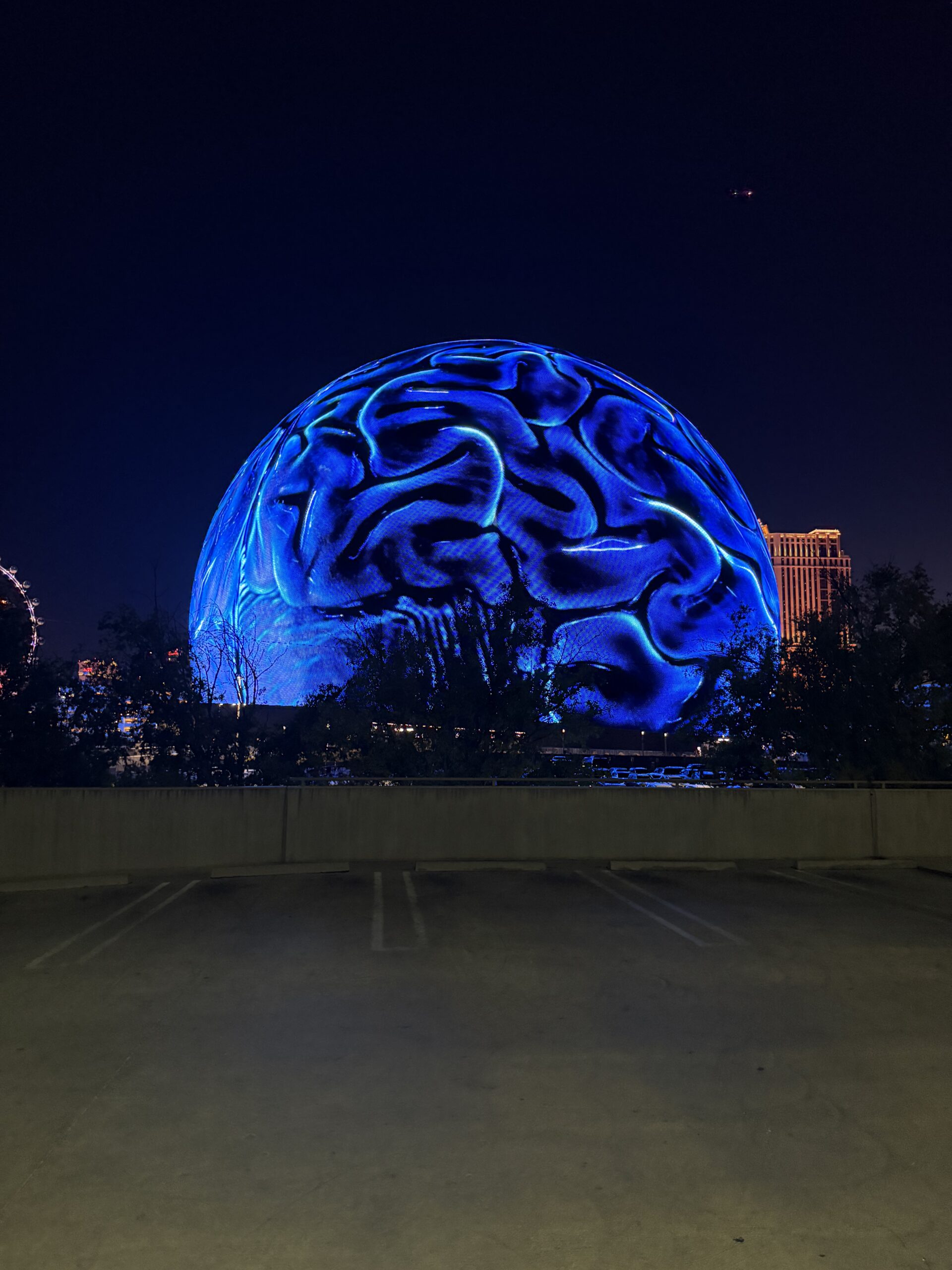
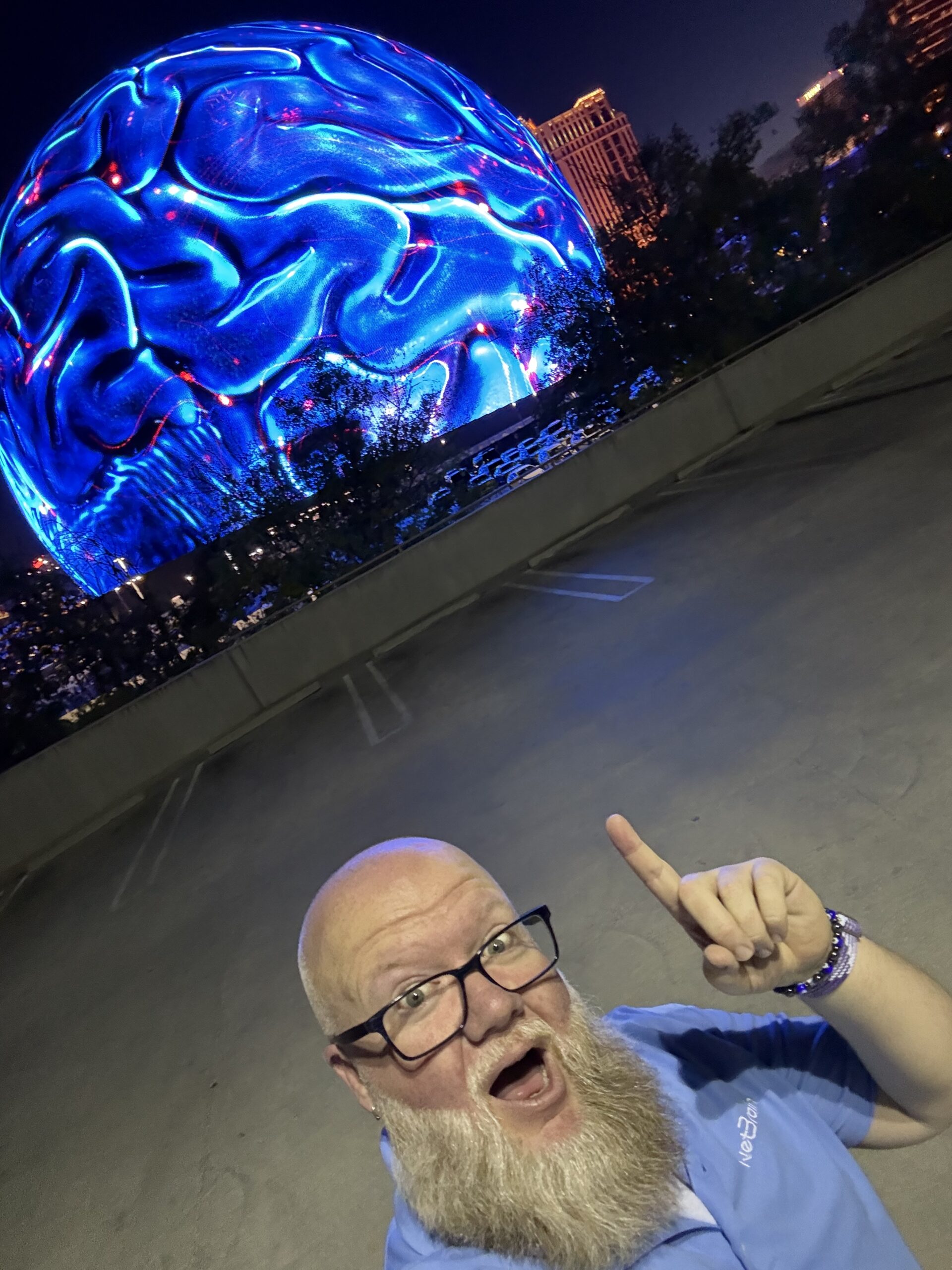
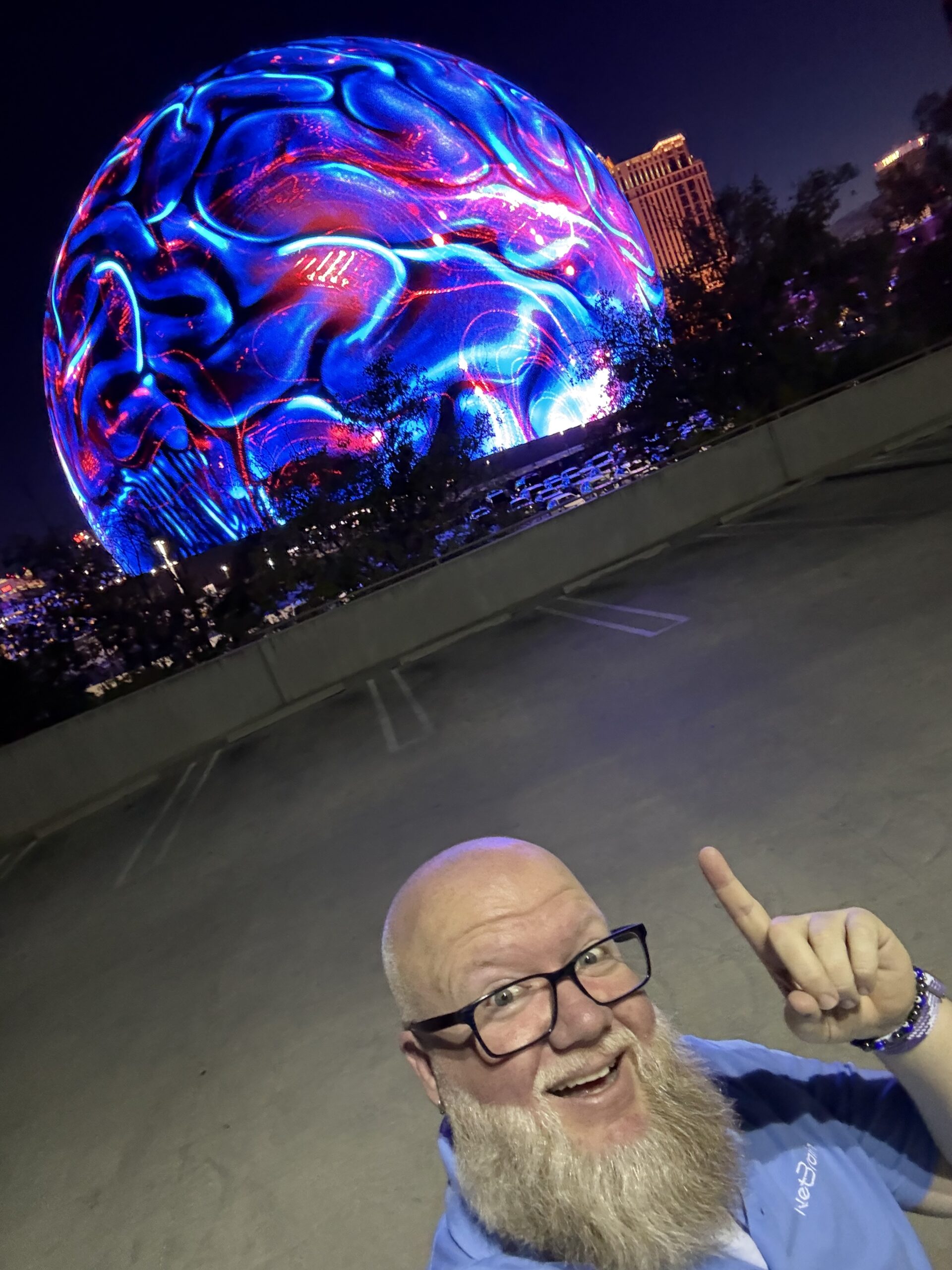
I am not going to pretend that is small for a company our size. Standing in that room watching our name come up on that stage was one of those moments you remember. I texted a few people. Then I went back to the lounge, because the conversations were the actual work.
The question that kept coming back: tokenomics
Here is the thread I did not expect, and it is the one I keep thinking about.
One of the Cisco keynote speakers put a name to a problem that is about to land on a lot of teams: tokenomics. The idea is simple and a little scary. As you turn on more AI agents, the cost of running them is real, and it is not fixed. An agent left unchecked can chew through what you budgeted for a year in about a week. He talked about managers already telling their teams to ease up because the bill is climbing.
That theme followed me straight back to the lounge. Over and over, the excitement about agentic operations was followed almost immediately by a quieter question. How do I keep this from running away from me? How do I stop an agent from looping forever and spending money the whole time it does it?
This is where I think the way you build the agents actually matters. An agent that guesses burns tokens guessing. It pokes around, tries things, loops, and the meter runs the entire time. An agent that works from real network context does not have to guess as much. It knows how the network was designed and how it is running right now, so it takes a more direct path to an answer. Scope it, give it boundaries, and it does its job and stops. Call it the agentic NetOps tokenomics problem, and the answer is not less AI. It is AI with context and guardrails.
I am not going to turn this into a pitch. But the tokenomics conversation made the case for governed, scoped operations better than any slide I could have built. The teams worried about cost were not against AI. They were asking for control. That is a reasonable thing to want, and it is exactly the part of this shift that gets skipped in the hype.
What the week confirmed
I came home tired in the good way. The keynote was the headline. The lounge was the story. And tokenomics was the word I did not walk in expecting and cannot stop thinking about.
The market is moving toward agentic operations whether teams feel ready or not. What this week confirmed for me is that the winners will be the ones who treat trust and cost as features, not afterthoughts. The engineers asking how the AI works and what it costs to run are not slowing the future down. They are the ones who are going to make it real.